Trade and Industry PS Juma Mukhwana said NTBs are a major obstacle to regional trade, agricultural productivity, and economic growth.
“The horticulture sector is a key driver of economic development… however, persistent NTBs continue to limit market access and the seamless movement of horticultural products.”
Efforts to enhance horticultural trade in Eastern and Southern Africa have gained momentum as regional leaders commit to eliminating non-tariff barriers (NTBs) that continue to hinder cross-border trade in fresh and processed fruits and vegetables.
The Principal Secretary for Trade, Regina Ombam, has called for urgent action to identify and harmonise NTBs that are stifling horticultural trade across the region.
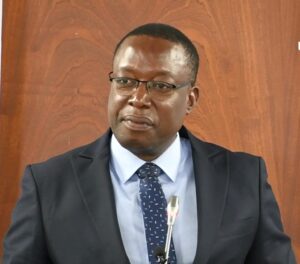
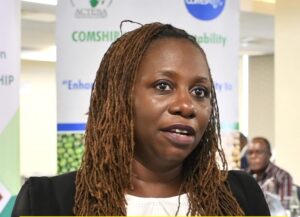
Speaking during the COMESA-EAC Horticulture Accelerator (CEHA) Regional Workshop in Nairobi, through a speech read on her behalf by Caroline Chore – Senior Trade Development Officer at the Ministry of Industry – Trade and Industry PS Juma Mukhwana said NTBs are a major obstacle to regional trade, agricultural productivity, and economic growth.
“The horticulture sector is a key driver of economic development, supporting farmers, SMEs, and agribusinesses across COMESA and EAC member states,” he said.
“However, persistent NTBs continue to limit market access and the seamless movement of horticultural products.”
Juma warned that, if not addressed in a structured and coordinated manner, these barriers would continue to fragment regional markets, undermine productivity, and slow regional integration.
The CEHA workshop brings together key players in the sector to map out pressing NTBs, identify challenges along the value chain, and foster dialogue among policymakers, regulators, and producers.
The meeting also aims to build capacity for compliance with trade facilitation protocols and sanitary and phytosanitary (SPS) standards.
“By fostering cooperation among national and regional stakeholders, we can create a more harmonised trade environment that allows farmers and agribusinesses to thrive,” Ombam said.
“Let us seize this opportunity to accelerate trade facilitation and build a more competitive and integrated horticulture industry in the region.”
Dr John Mukuka, CEO of the Alliance for Commodity Trade in Eastern and Southern Africa (ACTESA), said that despite agriculture’s immense potential, intra-regional trade remains slow and fragmented largely due to NTBs.
“One of the key culprits is non-tariff barriers. These are the hidden forces that delay trucks, inflate costs, and erode farmers’ incomes,” he said.
Mukuka pointed to statistics showing that intra-COMESA exports dropped by 11 per cent in 2020—from Sh1.4 trillion (USD 10.9 billion) to Sh1.25 trillion (USD 9.7 billion)—with NTBs playing a major role in the decline.
“Across the EAC, 256 NTBs were reported. While 95 percent had been resolved by mid-2022, traders still face lengthy delays, spending anywhere from 2 to 296 hours on compliance. A 10 per cent increase in paperwork time can reduce exports by an equal margin,” he explained.
He emphasised the need to harmonise SPS standards and NTBs, especially for key horticultural products such as avocados, Irish potatoes, and onions.
“Our goal is to ensure that farmers and agribusinesses can trade seamlessly within the COMESA region, without being held back by unnecessary barriers,” Mukuka said.
“These are perishable products. Any delay due to NTBs or SPS issues risks losses, and this must be addressed urgently.”
According to Mukuka, harmonisation efforts will cover seed and input requirements, pest and disease control protocols, and the use of approved agricultural chemicals.
“This will protect both farmers and consumers, and boost profitability in the fruit and vegetable sector,” he said.
He added that ACTESA is working towards completing the harmonisation process within the next six to 12 months.
Mukuka also stressed the importance of boosting intra-regional trade before expanding to international markets.
“Our regional trade currently stands at just 10 to 15 per cent, compared to over 50 percent among EU member states,” he said.
“We must strengthen trade within Africa first before tapping into global markets like the EU or China.”
The Common Market for Eastern and Southern Africa (COMESA) has stepped up efforts to harmonise agricultural trade standards across member states in a push to eliminate non-tariff barriers (NTBs) and enhance cross-border trade in food and horticultural products.
Speaking during the opening of the COMESA-EAC Horticulture Accelerator (CEHA) Regional Workshop in Nairobi, Regina Ombam, Principal Secretary, State Department for Trade, underscored the urgency of aligning trade protocols to boost productivity and economic integration.
“The identification and harmonization of non-tariff barriers affecting horticultural value chains is of critical importance to regional trade, agricultural productivity, and prosperity,” she said,
Ombam noted that fragmented markets and regulatory inconsistencies continue to limit the movement of goods and stifle opportunities for farmers and agribusinesses.
The regional workshop brought together stakeholders from Kenya, Uganda, Rwanda, Tanzania, and Ethiopia to assess more than 200 NTBs affecting trade in key produce such as avocados, onions, and Irish potatoes.
Dr. John Mukuka, CEO of the Alliance for Commodity Trade in Eastern and Southern Africa (ACTESA), said unified sanitary and phytosanitary (SPS) standards, input protocols, and pest control regulations are essential for unlocking agricultural trade across the region.
“Standardization will enable farmers and exporters to access regional and international markets more efficiently, reduce post-harvest losses, and improve the profitability of horticultural value chains,” said Dr. Mukuka.
Dr. Mukuka noted that the goal is to raise intra-regional agricultural trade from the current 10–15% to over 50%.
Participants highlighted the need for eco-friendly pest control solutions and expedited SPS procedures that are aligned across borders. They also called for greater investment in digital NTB reporting tools and cold chain infrastructure to support export competitiveness.
TradeMark Africa’s Director of Trade and Customs, Benjamin Tsengede, noted that while over 90% of reported NTBs are resolved, trade volumes have remained stagnant.
“We must address informal and unreported barriers while building productive capacity,” he said.
The German Development Cooperation, which supports the East African Community’s horticulture strategy, emphasized the importance of implementation.
“We must go beyond strategies and start living the customs union and common market,” said Katarina Schlumpf.
The stakeholders also called for accelerated policy coordination, public-private collaboration, and a clear roadmap for eliminating NTBs to boost regional food trade and position Eastern and Southern Africa as a competitive player in global agricultural markets.
Did you know? The total seed market potential in the COMESA region is estimated at 2 million MT of quality and improved seed, yet current production and access remain below 500,000 MT. There’s a huge opportunity for growth!
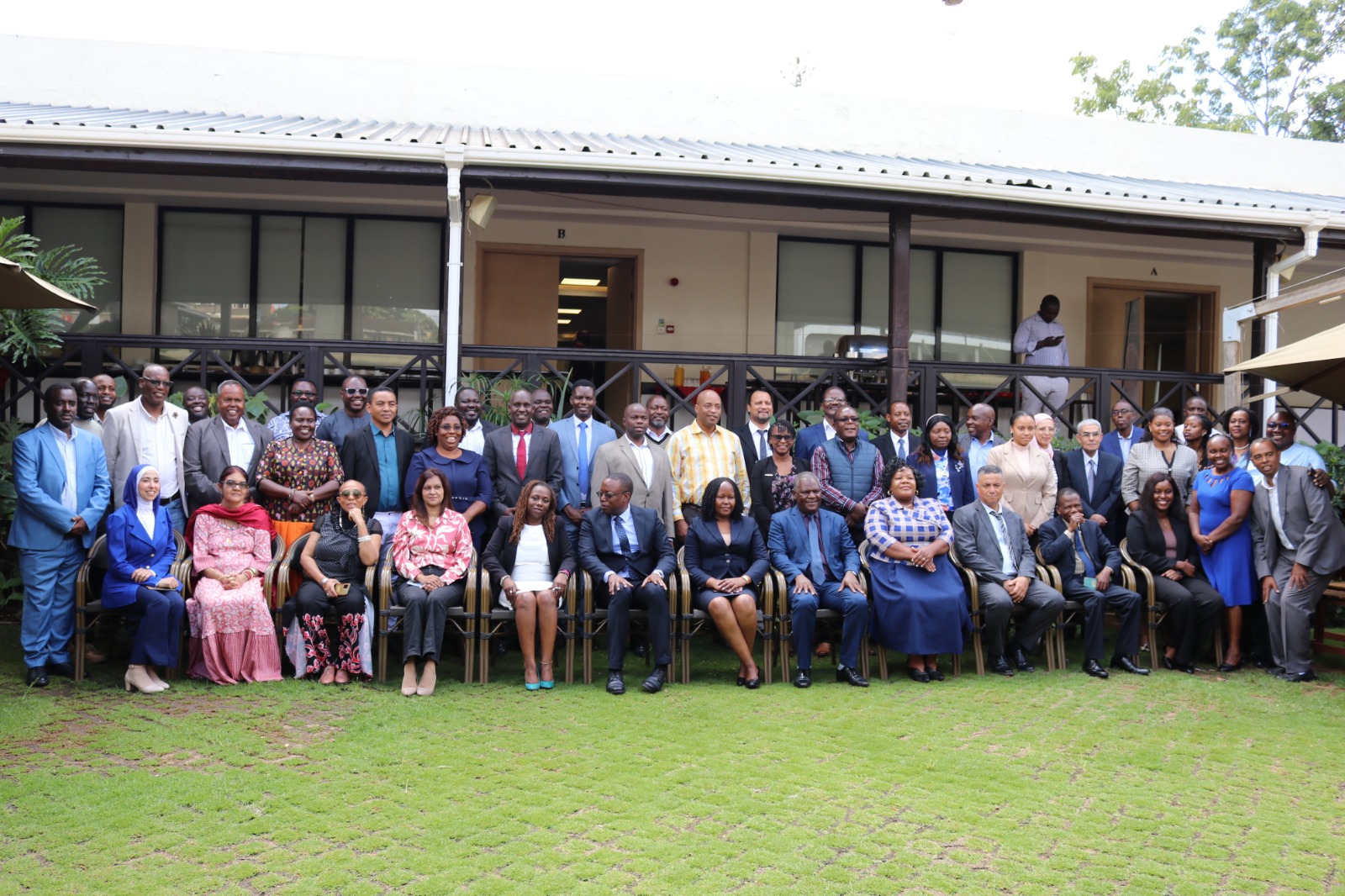
To activate this, we have partnered with stakeholders across the COMESA seed industry to drive regional collaboration and advance the COMESA Seed Harmonization Implementation Plan (COMSHIP). Our Regional COMSHIP Meeting held in Nairobi, Kenya, at the Jacaranda Hotel on 20th-21st May 2025 brought together key players committed to transforming the seed sector.
Highlights from the meeting include:
Insights from Dr. Kipronoh Ronoh, Principal Secretary of Kenya’s State Department for Agriculture, emphasizing the importance of quality seed in boosting productivity, resilience, and food security.
Calls from industry leaders like Dr. John Mukuka, CEO of the Alliance for Commodity Trade in Eastern and Southern Africa, to adopt modern seed production techniques, embrace biotechnology, and strengthen regulatory frameworks.
Remarks from Mshuka Kamwela, European Development Fund Programme Manager, highlighting this gathering as a milestone in ACTESA’s efforts to enhance seed trade and agricultural transformation.
Supported by the COMESA Regional Enterprise Competitiveness and Access to Markets Programme (RECAMP) and funded by the European Union under the 11th European Development Fund (EDF 11), this meeting marks a key step in sensitizing stakeholders about COMSHIP.
Since its inception, COMSHIP has facilitated the gazetting of seed trade harmonization regulations in 10 COMESA Member States, including Burundi, Egypt, Ethiopia, Eswatini, Malawi, Rwanda, Kenya, Uganda, Zambia, and Zimbabwe.
Harmonization of seed policies and regulations has been termed a key ingredient in enhancing seed production, reliability, and trade including increasing the competitiveness of the seed industry.
To expedite the process, The Common Market for Eastern and Southern Africa (COMESA), through its Specialized Agency, the Alliance for Commodity Trade in Eastern and Southern Africa (ACTESA) has put in place the COMESA Seed Trade Harmonization Regulations.
ACTESA Chief Executive Officer (CEO) Dr John Mukuka said that according to the COMESA statistics, out of the 90 million smallholder farmers in the COMESA region, only 20 percent have access to quality and improved seeds.
Speaking in Nairobi during the regional COMESA Seed Harmonization Plan (COMSHIP), Dr Mukuka said that about 130 million people out of a total of 610 million COMESA population remain food insecure and experience chronic poverty and hunger.
“The potential of the total seed market in the COMESA region is at 2 million (Metric Tons) MT of quality and improved seed; however, the region is currently producing and accessing less than 500,000 MT of quality and improved seed. This is equivalent to 2 percent of the global seed production and value,” said Dr Mukuka.
He explained that the above challenge is attributed to the fact that the regional seed market is still fragmented into small national markets, and each country operates its seed policies and regulations differently from other COMESA Member States.
“Seed companies therefore enter each of the national seed markets separately and individually. This is not only costly for the seed companies but also results in prolonged delays before seeds of good quality can find their way to the small-scale farmers,” he disclosed.
In view of the above challenge, Dr Mukuka said that they have put in place the COMESA Seed Trade Harmonization Regulations.
“To expedite implementation of the regulations both at the national and regional levels, the Regional Enterprise Competitiveness and Access to Markets Programme (RECAMP), funded under the 11th European Development Fund (EDF), is currently under implementation,” said Dr. Mukuka.
He noted that progress has been made on COMSHIP since 2015 and so far, 119varieties have been registered from 20 seed companies and CGIAR centres in the COMESA Region in line with COMSHIP.
“Seed companies are now able to commercialize their seed without the two to three years required before commercialization,” he said.
Dr Mukuka added that the COMESA Seed Trade Harmonization Regulations have been officially gazetted in 11 COMESA Member States, namely, Burundi, Egypt, Ethiopia, Eswatini, Malawi, Rwanda, Kenya, Tunisia, Uganda, Zambia, Zimbabwe, with DR Congo earmarked for the official gazette of the COMESA Seed Trade Harmonization Regulations end of May 2025.
He disclosed that COMSHIP Standard Operating Procedures for 13 COMESA Staple Food Crops of Barley, beans, sorghum, wheat, maize, cassava, irish potatoes, groundnuts, soybeans, sunflower, cotton, rice, and pearl millet are in place with the support of EU-RECAMP and AGRA.
Kenya Plant Health Inspectorate Service (KEPHIS) Managing Director Prof Theophilus Mutui said that seeds are the foundation of the entire farming ecosystem and therefore, high-quality, certified seeds are essential to achieving optimal yields, resilient crops, and sustainable farming practices.
In a speech read on his behalf by KEPHIS Ag. Director Laboratory Services Ms. Florence Munguti, Prof Mutui said: “Over the years, KEPHIS has worked diligently to develop robust regulatory frameworks, quality assurance systems, and certification procedures for seeds produced, tested, and distributed across our country.”
He stated that KEPHIS participated from inception at the COMESA Regional Seed harmonization and the regional validation of the COMESA Seed Harmonization Implementation Programme in May 2015.
“COMESA Regional Seed Labels were developed through a software by Mpedigree that was initially used by KEPHIS. In this regard, KEPHIS is happy to use the COMESA Regional Seed Labels based on the COMESA Seed Trade Harmonization Regulations,” he said.
He explained that the label has features showing the species, variety, lot number, test certificate number, and date of test. In addition, the COMESA Regional certificate has logos of the country of the seed produced and COMESA, including Seed Treatment and COMESA declaration.
COMESA European Development Fund (EDF) Programme Manager Mshuka Kamwela said that with the financial support of the European Union through the 11th EDF Regional Enterprise Competitiveness and Access to Markets Programme (RECAMP), support has been provided to raise awareness, build institutional capacity, and assist Member States in aligning their national seed laws with COMESA Seed Trade Harmonisation Regulations.
“This validation workshop is a testament to the commitment of all Member States and stakeholders in strengthening regional seed trade, improving access to quality seed for smallholder farmers, and enhancing food security and agricultural transformation in the COMESA region,” said Kamwela.
The region has vast agricultural potential, including fertile land and reliable rainfall, which remain underutilized.
In Summary
Mukuka stressed that full implementation of the COMESA Seed Trade Harmonization Regulations is critical. So far, only 10 member states, including Kenya, have domesticated these regulations.
Despite agriculture employing over 60 per cent of the population in most COMESA member states, limited access to improved and certified seed varieties remains a significant barrier to food security and economic transformation.
Regional leaders and stakeholders are now calling for accelerated efforts to harmonize seed regulations and boost production and availability across borders.
“Agriculture continues to be the lifeline of our economies, employing over 60% of the population in most COMESA countries,” said Agriculture PS Dr. Paul Rono, in a speech delivered on his behalf by Dr. Alice Murage, Director for Socio-Economic and Policy Development. “Yet, one of the greatest constraints to productivity is limited access to improved seed varieties.”
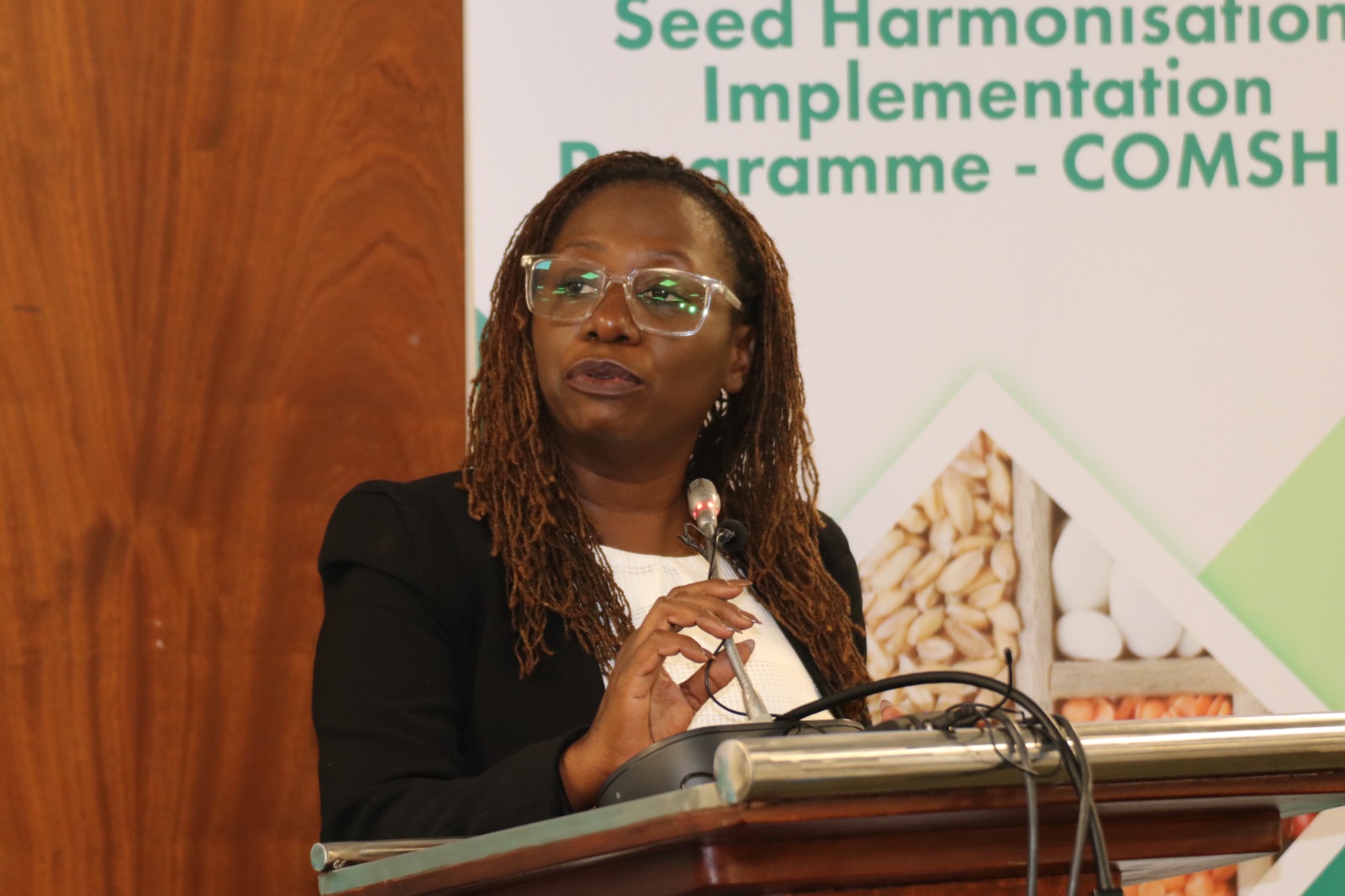
Speaking at the COMESA Seed Harmonization Implementation Programme (COMSHIP) regional validation workshop in Nairobi, Rono pointed out the urgency of creating a seamless, integrated seed system across COMESA member states.
“Today, we come together not to merely reflect, but to reinvigorate our shared ambition of creating a regional seed system that allows farmers to access high-quality, certified, and climate-resilient seed varieties,” he said.
He noted the establishment of COMSHIP in 2014, coordinated by the Alliance for Commodity Trade in Eastern and Southern Africa (ACTESA), as a key milestone in this journey.
“COMSHIP aims to facilitate cross-border seed trade, increase seed availability, and enhance the competitiveness of our agricultural systems through a harmonized framework for seed variety release, certification, and phytosanitary standards,” said Rono. “A well-functioning regional seed system is the foundation for food security, climate resilience, and economic transformation.”
Dr. John Mukuka, CEO of ACTESA, echoed the concern, citing a 2015 study that revealed about 130 million people in COMESA suffer from food insecurity, largely due to limited access to quality seeds.
“COMESA member states need around 2 million metric tons of improved seeds annually to meet food production demands, but currently produce only half a million metric tons,” he said. “This shortfall significantly contributes to food insecurity in the region.”
He pointed out that COMESA has vast agricultural potential, including fertile land and reliable rainfall, which remain underutilized.
“We can leverage the harmonized seed trade regulations to produce more staple crops like soybeans, maize, and barley within the region,” said Mukuka. “Egypt, for instance, consumes 12 million metric tons of barley annually but produces only 4 million. The remaining 8 million can and should be produced within COMESA.”
Mukuka stressed that full implementation of the COMESA Seed Trade Harmonization Regulations is critical. So far, only 10 member states, including Kenya, have domesticated these regulations.
“We need funding and political commitment to move this forward. The EU has supported us with COMSIS, a regional seed information system, but we must do more,” he said. “To become food secure, COMESA must produce at least 10 million metric tons of quality seed in the next two years.”
He estimated that operationalizing a functional regional seed system across all 21 COMESA member states requires at least $10 million annually, noting that $600 million in EU funding has already been secured.
According to Mukuka, the COMESA regional catalog currently includes 13 crops and 120 registered seed varieties by 20 companies. He believes tripling this figure would dramatically improve access to quality seeds.
Despite the availability of certified seeds from private sector players who control over 50% of the seed market, uptake among farmers remains low.
“To change this, we need to support national seed authorities and invest in extension services,” he said. “Demonstration plots are crucial. Farmers must see the difference between improved and recycled seeds with their own eyes. We call it farmer-driven awareness.”
Mshuka Kamwela, EU Programme Manager at the COMESA Secretariat, acknowledged the progress made under COMSHIP since its operationalization in 2015.
“This workshop marks the validation of COMESA’s Seed Information System (COMSIS), which will help us monitor and support the harmonized system,” said Kamwela. “Thanks to the EU’s 8 million Euro investment under the RECAMP initiative, we’ve been able to raise awareness, build capacity, and align national laws with COMESA’s seed trade regulations.”
She also pointed out EU’s broader support for value chains including horticulture, agro-processing, and leather. “Our goal is to ensure that we support smallholder farmers and SMEs in agro-processing to contribute to regional food security,” she added.
About 130 million out of a total of 610 million people in the Common Market for Eastern and Southern Africa (COMESA) region are food insecure, experiencing chronic poverty and hunger. This has been largely attributed to limited access to quality and improved seeds among smallholder farmers.
According to COMESA statistics, out of the 90 million smallholder farmers in the region, only 20 per cent have access to quality and improved seeds. The same data reveals that while the total seed market potential in the region is estimated at 2 million metric tonnes (MT) of quality and improved seed, current production and access stand at less than 500,000 MT. This represents just 2 per cent of global seed production and value.
Dr. John Mukuka, the Chief Executive Officer of the Alliance for Commodity Trade in Eastern and Southern Africa (ACTESA), noted that the majority of smallholder farmers in the region still rely on recycled seeds. This has led to missed economic opportunities across the 21 COMESA Member States. He emphasized that the problem is worsened by the fragmentation of the regional seed market, where each country operates under different seed policies and regulations. As a result, seed companies must enter each national market separately, incurring high costs and experiencing lengthy delays before quality seeds reach small-scale farmers.
Dr. John Mukuka, the Chief Executive Officer of the Alliance for Commodity Trade in Eastern and Southern Africa (ACTESA)
As I’m talking right now, at ACTESA we have an order from China where they need about 40 million metric tonnes of soybeans for their feed industry, but without certified seed, it is a problem,” Dr. Mukuka said during a COMESA Seed Harmonisation Implementation Plan meeting in Nairobi. “The Chinese also want cassava, and they invited me to go to China so we can finalize an agreement with companies there. Unfortunately, I declined because we don’t have the capacity.
The meeting, convened by ACTESA, a key COMESA institution tasked with addressing agricultural challenges in the region, aimed to explore long-term solutions to the seed access crisis.
COMESA Seed Harmonisation Regulations were approved in 2014 by the Council of Ministers. To support implementation at both national and regional levels, the COMESA Seed Harmonisation Implementation Plan (COMSHIP), with backing from the COMESA Regional Enterprise Competitiveness and Access to Markets Programme (RECAMP) under the 11th European Development Fund (EDF), is currently in effect. The goal of COMSHIP is to promote the implementation of the harmonised regulations to boost seed production, trade, and competitiveness in the Eastern and Southern Africa (ESA) region.
Dr. Mukuka reported significant progress, noting that COMESA Seed Trade Harmonisation Regulations have been officially gazetted in 11 Member States: Burundi, Egypt, Ethiopia, Eswatini, Malawi, Rwanda, Kenya, Tunisia, Uganda, Zambia, and Zimbabwe. The Democratic Republic of Congo is expected to follow by the end of May 2025.
He added that COMSHIP Standard Operating Procedures for 13 staple food crops, including barley, beans, sorghum, wheat, maize, cassava, Irish potatoes, groundnuts, soybeans, sunflower, cotton, rice, and pearl millet, have been developed with support from EU-RECAMP and AGRA. A total of 119 seed varieties have been registered by 20 seed companies and CGIAR centres in the COMESA region under the COMSHIP framework.
Watch Here…
Seed companies are now able to commercialize their seed without waiting the usual two to three years before approval,” Dr. Mukuka explained. Kenyan companies such as Western Seed and Kenya Seed are among those benefiting.
He congratulated the compliant countries, pointing out that once varieties are registered in the COMESA seed catalogue, regional seed authorities accept them, eliminating the lengthy testing periods previously required before commercialization. A pilot of the COMESA regional seed labels is underway, and a final agreement on their operationalization has been reached.
Farmers will be the main beneficiaries, with access to a much larger seed catalogue,” Dr. Mukuka said. “I was in a meeting at the African Union six months ago, and saw how smallholder farmers in Uganda are now planting high-performing maize varieties from Zambia. We must do more to strengthen our seed systems and grow our economies so we are not dependent on external sources.
He expressed appreciation to the European Union, which has committed to supporting the initiative in its next phase. “In the next two years, we need to produce no less than 10 million metric tonnes of quality and improved seeds for COMESA. With this, I can assure you, Member States will be food secure. But to operationalize the seed system across all 21 COMESA Member States, we will need more than 10 million annually.
EDF Programme Manager Mshuka Kamwela
EDF Programme Manager Mshuka Kamwela said she was pleased with the progress achieved through EU financial support via the 11th EDF RECAMP initiative. She reaffirmed the EU’s commitment to continue supporting seed harmonisation efforts in the region.
“Under this programme, we’ve supported awareness campaigns, capacity building, and efforts by Member States to align their seed laws with COMESA Seed Trade Harmonisation Regulations,” Kamwela said. “This validation workshop demonstrates the commitment of all stakeholders to strengthening regional seed trade, improving access for smallholder farmers, and enhancing food security and agricultural transformation. Based on these achievements, we look forward to hearing more from Member States to help develop concept notes for further EU funding.”
Did you know? The total seed market potential in the COMESA region is estimated at 2 million MT of quality and improved seed, yet current production and access remain below 500,000 MT. There’s a huge opportunity for growth!
To activate this, we have partnered with stakeholders across the COMESA seed industry to drive regional collaboration and advance the COMESA Seed Harmonization Implementation Plan (COMSHIP). Our Regional COMSHIP Meeting held in Nairobi, Kenya, at the Jacaranda Hotel on 20th-21st May 2025 brought together key players committed to transforming the seed sector.
Highlights from the meeting include:
Insights from Dr. Kipronoh Ronoh, Principal Secretary of Kenya’s State Department for Agriculture, emphasizing the importance of quality seed in boosting productivity, resilience, and food security.
Calls from industry leaders like Dr. John Mukuka, CEO of the Alliance for Commodity Trade in Eastern and Southern Africa, to adopt modern seed production techniques, embrace biotechnology, and strengthen regulatory frameworks.
Remarks from Mshuka Kamwela, European Development Fund Programme Manager, highlighting this gathering as a milestone in ACTESA’s efforts to enhance seed trade and agricultural transformation.
Supported by the COMESA Regional Enterprise Competitiveness and Access to Markets Programme (RECAMP) and funded by the European Union under the 11th European Development Fund (EDF 11), this meeting marks a key step in sensitizing stakeholders about COMSHIP.
Since its inception, COMSHIP has facilitated the gazetting of seed trade harmonization regulations in 10 COMESA Member States, including Burundi, Egypt, Ethiopia, Eswatini, Malawi, Rwanda, Kenya, Uganda, Zambia, and Zimbabwe.
The Common Market for Eastern and Southern Africa (COMESA) is calling for urgent action to improve access to high-quality seeds across its 21 member states, in a renewed push to boost agricultural productivity and reduce food insecurity.
According to Dr. John Mukuka, CEO of the Alliance for Commodity Trade in Eastern and Southern Africa (ACTESA), a specialised agency of COMESA, poor seed quality and limited availability have left over 130 million people in the region food insecure.
Speaking at a seed harmonisation workshop in Nairobi, Dr. Mukuka said COMESA countries require at least two million metric tons of improved seed annually — yet current production is only a quarter of that.
“Seed is the beginning of every harvest. If farmers don’t have access to quality seed, they cannot grow enough food,” said Dr. Mukuka.
COMESA has developed a regional seed trade harmonisation regulation that allows certified seeds to move across borders. However, implementation at the national level remains slow, with only 10 countries having fully adopted the system.
The lack of funding is also hampering progress. ACTESA estimates it needs at least $10 million annually to fully operationalize seed systems in all member states. So far, only $600,000 has been raised — a fraction of what is needed.
Dr. Mukuka urged governments and partners to scale up support, noting that countries like Kenya, Zambia, and Ethiopia have the capacity to produce seeds for both local use and export.
“We can help Egypt, for example, meet its barley deficit of eight million metric tons, but only if we improve seed availability,” he added.
The European Union, through its European Development Fund -EDF programme, has pledged continued support to COMESA’s agricultural value chains, including seeds. Mshuka Kamwela, EDF Programme Manager, said the bloc is keen to build on achievements made and address key policy gaps.
As the region faces the dual challenge of climate change and rising food demand, improving seed systems is seen as a critical step toward sustainable farming and food security.
The Alliance for Commodity Trade in Eastern and Southern Africa (ACTESA) and the International Fertilizer Development Center (IFDC) have signed a Memorandum of Understanding aimed at enhancing agriculture productivity and sustainability across the continent.
This collaboration marks a pivotal step in strengthening agriculture research, policies, and regulations to ensure small farmer-holder access to quality and affordable fertilizer.
The MoU, officially signed at the COMESA Secretariat in Lusaka, Zambia on January 21st, 2025, also included high-level discussions on strengthening regional partnerships to ensure coordinated efforts, sustainability, and inclusive economic development for the COMESA Member States.
ACTESA Chief Executive Officer, Dr John Mukuka, remarked on the relevance of ensuring smallholder farmers access to quality, accessible and affordable fertilizer in the region.
Dr Mukuka highlighted that the partnership with IFDC is crucial to coordinating and accelerating the implementation of the COMESA Fertilizer Regional Programme (COMFREP). COMFREP aims to improve smallholder farmer’s timely access to quality, and affordable fertilizers for the 21 COMESA Member States.
COMESA Director for Industry and Agriculture, Ms. Providence Mavubi, reiterated COMESA’s commitment to advancing smart agriculture initiatives aimed at improving the livelihood of farmers and ensuring food security in the region.
‘’We continue to ensure that the agriculture sector in the COMESA region is competitive through supporting agriculture extension services, investments in research, and supporting policy formulation and implementation for increased trade in agricultural produce,” She remarked.
IFDC president, Dr Hendrik Jan Warner Van Duijn underscored the importance of private sector engagement and partnerships in fostering agriculture productivity as a key economic driver.
“Agriculture restructuring and policy reforms are crucial in creating opportunities for smallholder farmers to produce most efficiently. Member states can leverage their respective agriculture initiatives and innovations to boost soil health and agriculture sustainability across the continent,” he said.
Together, COMESA through ACTESA and IFDC are committed to enhancing intra-regional agriculture trade by supporting small-holder farmers.
The Ministry of Agriculture and Food Security, in partnership with the Common Market for Eastern and Southern Africa (COMESA), is holding a workshop from February 26 to 27, 2025, to raise awareness about seed-related legislation and regulations. This event aims to strengthen governance in the seed sector of the Democratic Republic of Congo (DRC) and harmonize its legal framework with regional standards.
During the opening ceremony, Ir José ILANGA LOFONGA, Secretary-General of the Ministry of Agriculture and Food Security, emphasized the workshop’s significance: “Over these two days of discussions, national experts from COMESA, technical and financial partners, and representatives of national seed operators will focus on this critical issue for effective governance of the seed sector in the DRC.”
The development of the seed sector is a priority for the Congolese government, as it serves as a key lever to enhance crop production and bolster national food security. However, this progress depends on establishing an appropriate regulatory framework. For years, the Ministry of Agriculture has worked to develop legislation governing seed production, quality control, certification, protection, and marketing. The DRC’s integration into the COMESA region requires aligning its legal instruments with the organization’s standards to facilitate cross-border seed trade.
Harmonizing seed regulations at the sub-regional level offers multiple benefits. It ensures sound sector management, improves seed quality on the market, and boosts competitiveness among member states. This initiative will also encourage underperforming member countries to intensify efforts to meet COMESA’s shared standards.
In his address, State Minister of Agriculture and Food Security Grégoire Mutshail Mutomb highlighted the importance of this harmonization for the Congolese and regional agricultural sectors: “Africa has immense agricultural potential, and we must work together to ensure access to quality seeds. The DRC, with its fertile land and favorable climate, can play a major role in supplying seeds to the region.”
Access to quality seeds remains a significant challenge for smallholder farmers in the COMESA region. Trade statistics indicate that out of 90 million small-scale farmers, only 20% have access to improved seeds. This directly impacts agricultural productivity and food security. Harmonized seed regulations will also facilitate the inclusion of local varieties in the regional catalog, promoting their production and international commercialization. Additionally, projects such as COMSHIP (COMESA Seed Commercialization Plan) and RECAMP (Regional Competitiveness and Market Access Program) play a pivotal role in enhancing seed availability and quality.
This workshop marks a crucial step toward establishing a coherent and effective regulatory framework for the seed sector in the DRC. By aligning its regulations with COMESA’s, the DRC positions itself strategically to strengthen its agricultural sector, accelerate regional seed trade, and contribute to Africa’s food security. The discussions will undoubtedly yield concrete recommendations to improve the seed value chain, benefiting farmers and the national economy.
About ACTESA
ACTESA is a key institution of COMESA which seeks to provide an answer to the region’s agricultural challenges, including market access-related constraints, low productivity, and technological and policy-related constraints.


 Insights from Dr. Kipronoh Ronoh, Principal Secretary of Kenya’s State Department for Agriculture, emphasizing the importance of quality seed in boosting productivity, resilience, and food security.